Home EV Charger Installation: What Homeowners Need to Know Before Plugging In
Understand the essentials of home EV charger installation, including electrical system checks, charger selection, and professional installation benefits.
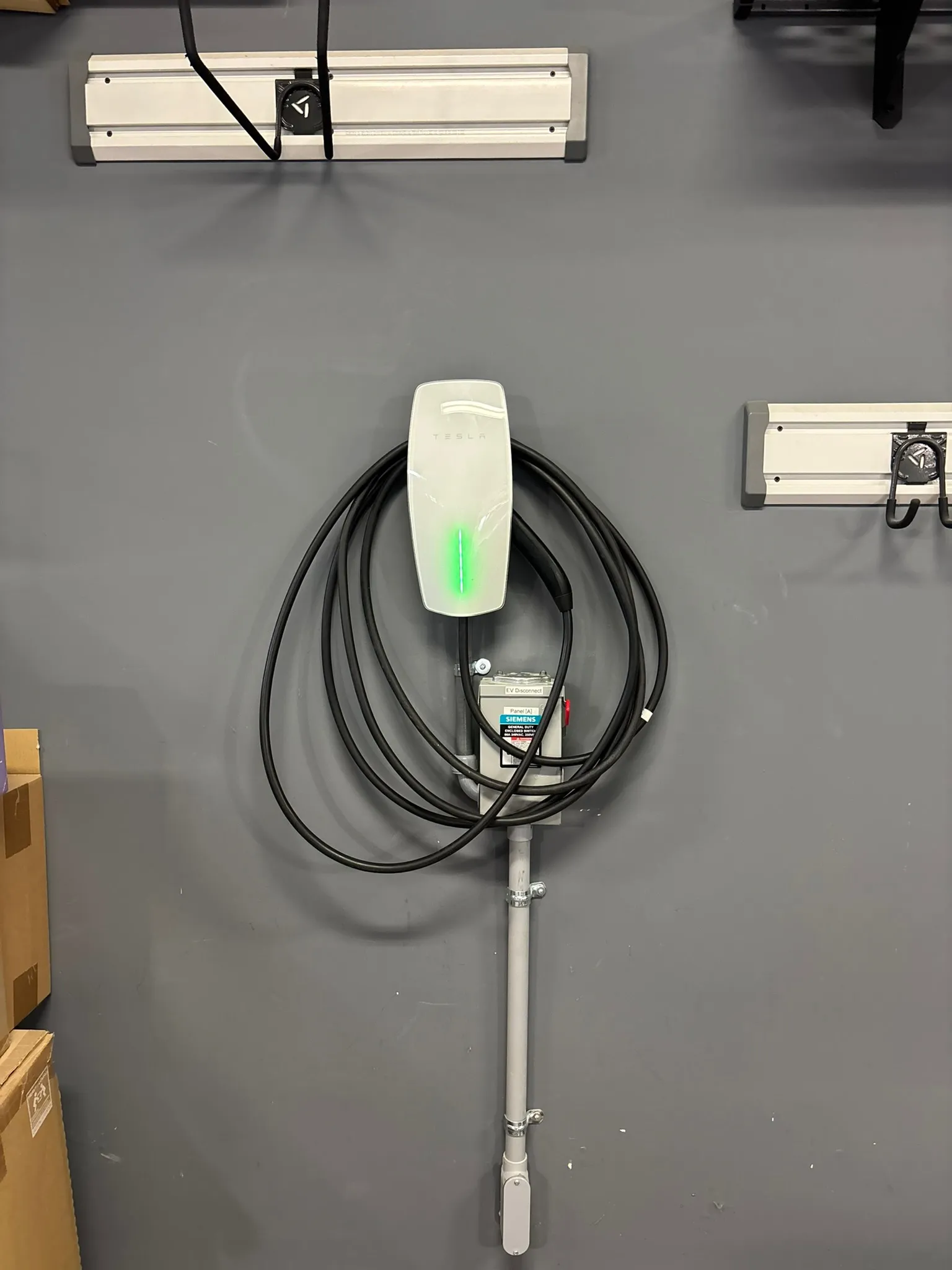
Home EV Charger Installation: What Homeowners Need to Know Before Plugging In
Owning an electric vehicle makes it possible to skip the gas station, but relying only on public charging can quickly become inconvenient. Installing an EV charger at home gives you the freedom to plug in when you arrive and start the next day with a charged vehicle.
Before purchasing a charger, however, it is important to make sure your home’s electrical system can safely support it. Here is what homeowners should know before scheduling an EV charger installation.
Level 1 vs. Level 2 EV Charging
Most electric vehicles can use either Level 1 or Level 2 charging, but the two options provide very different experiences.
Level 1 charging uses a standard household outlet. It may work for drivers with short daily commutes, but charging is considerably slower and may not fully replenish the battery overnight.
Level 2 chargers typically use a dedicated 240-volt circuit and provide much faster charging. For most EV owners, this is the more practical option for daily home charging.
Does Your Electrical Panel Have Enough Capacity?
An EV charger can place a significant new demand on your electrical system. Before installation, an electrician should evaluate your panel, existing circuits, and the overall electrical load of your home.
Some homes have enough available capacity to support a charger without major changes. Others may need a panel upgrade, load-management equipment, or another adjustment before the charger can be installed safely.
Having the panel inspected first helps prevent overloaded circuits, nuisance breaker trips, and unexpected expenses later in the project.
Choosing the Right Charger
The best charger for your home depends on several factors, including:
Your vehicle’s charging capabilities
The size of its battery
Your average daily mileage
Your available electrical capacity
Where you park
Whether you want a plug-in or hardwired charger
Features such as scheduling or energy monitoring
Not every vehicle can accept the same maximum charging speed. An electrician can review the specifications for both your vehicle and charger to ensure they are compatible with your home’s electrical system.
Where Should the Charger Be Installed?
Most homeowners install their charger inside the garage or on an exterior wall near the driveway. The ideal location should allow the charging cable to reach the vehicle comfortably without creating a tripping hazard.
The distance between the electrical panel and charging location can also affect the installation. Longer wiring runs or outdoor installations may require additional materials and weather-rated equipment.
Planning the location carefully can make charging more convenient while keeping the finished installation clean and organized.
Plug-In or Hardwired?
Some Level 2 chargers plug into a compatible 240-volt receptacle, while others are wired directly into a dedicated circuit.
A plug-in unit can be easier to replace or take with you if you move. A hardwired charger offers a permanent connection and may be preferred for outdoor locations or higher-powered equipment.
The right option depends on the charger, the installation location, and the electrical requirements of the property.
Why Professional Installation Matters
An EV charger draws a substantial electrical load for extended periods. Proper circuit sizing, wiring, grounding, breaker selection, and equipment placement are essential for safe and reliable operation.
A licensed electrician can evaluate the panel, install the required dedicated circuit, complete the charger connection, and verify that the system is operating correctly. Professional installation also helps ensure the work follows current electrical requirements and any applicable local permitting rules.
Plan Ahead for Future Vehicles
Even if your current vehicle does not require the fastest available charging speed, it may be worth considering your future needs. You may eventually purchase another EV, add a second charger, or switch to a vehicle with a larger battery.
Discussing those possibilities before installation can help you choose a setup that continues to work as your household changes.
Schedule Your EV Charger Installation With Awar Electric
Home charging makes EV ownership easier, but the system needs to be installed correctly. Awar Electric can evaluate your electrical panel, help you choose an appropriate charging setup, and professionally install the dedicated circuit and charger your vehicle requires.
Awar Electric provides residential EV charger installation in Youngsville, Wake Forest, and surrounding North Carolina communities.
Ready to charge from home? Contact Awar Electric today to request an estimate for your EV charger installation.